7 July, 2026 · Most Significant Change Story
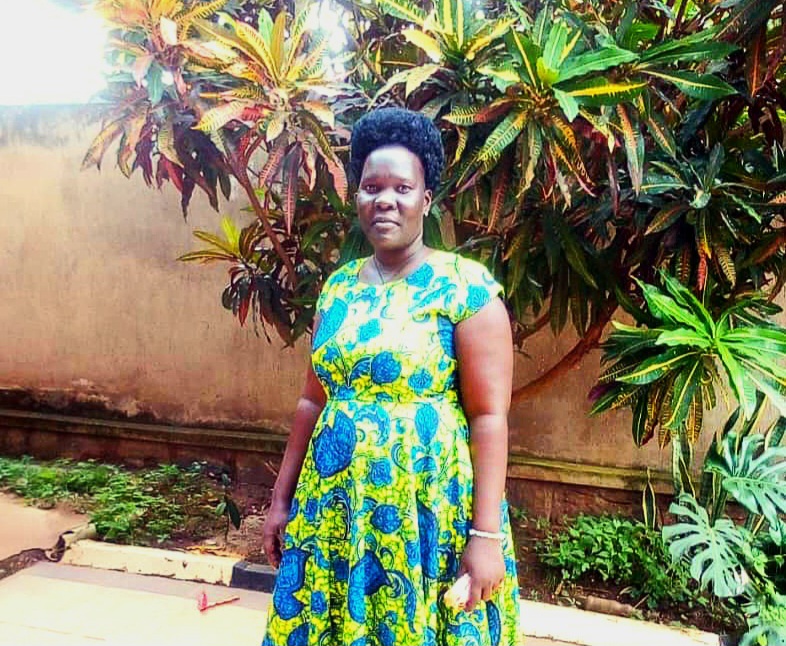
Atim Joyce Kellen is a 39-year-old Ugandan woman, married, and serves as the District Woman Councillor representing Atiak Sub-county, Amuru District.
Before joining the RACI Peace Project training and engagement activities, Joyce had limited knowledge about peace building and mediation. Although she was already serving her community as a leader, she did not fully understand her potential role in supporting conflict prevention and peaceful resolution.
Land conflicts and Gender-Based Violence (GBV)-related issues were common concerns within the community, and disagreements were sometimes approached through confrontation rather than dialogue.
A Journey of Leadership Transformation
Through RACI Peace Project trainings, Non-Violent Communication (NVC), GBV awareness sessions, community drama and advocacy activities, and engagement with community members, Joyce gained practical skills to mediate disputes and promote peaceful communication.
The training transformed her from a leader who responded to conflicts after they occurred into a peace actor who actively promotes prevention, dialogue, and reconciliation.
"Peace building is not only about solving conflicts after they happen. It is about creating understanding, communication, and relationships that prevent conflicts from escalating." — Atim Joyce Kellen
Promoting Peace Through Women’s Leadership
Joyce’s transformation demonstrates the importance of empowering local leaders and women to participate actively in peace building. Women are often directly affected by community conflicts but are also powerful actors in promoting reconciliation, dialogue, and social cohesion.
Her experience supports the Peace Project objective of strengthening community mechanisms for conflict prevention and peaceful resolution.
Practical Application of Peacebuilding Skills
A major example of Joyce’s transformation was a land dispute between her family and a neighbour. Previously, such disagreements could have escalated into prolonged conflict. However, using mediation skills gained through the Peace Project, Joyce supported both parties to communicate and resolve the disagreement peacefully.
Following the mediation process, the relationship between the two parties improved, and they were able to interact respectfully and greet each other again.
Building Trust Within the Community
Joyce’s increased confidence and recognition as a peace mediator has strengthened community trust in local conflict resolution approaches. Community members increasingly recognise that disputes can be addressed through dialogue rather than confrontation.
Her leadership has also contributed to increased acceptance of women as peace leaders and advocates for social harmony.
Ripple Effects of Change
The change has contributed to reduced tensions related to land disputes, improved relationships between neighbours, increased community acceptance of mediation, and greater trust in local mechanisms for resolving conflicts.
Looking Ahead
Joyce envisions communities where women and local leaders are empowered with knowledge and skills to prevent conflicts before they escalate. She believes continued investment in peace education, women's empowerment, and community dialogue will strengthen peaceful coexistence.
Her story demonstrates that when leaders are equipped with peacebuilding skills, they can transform their communities by promoting understanding, inclusion, and peaceful conflict resolution.
As RACI continues implementing the Peace Project across Northern Uganda, Atim Joyce Kellen’s journey shows that sustainable peace is built through empowered leaders who choose dialogue, mediation, and cooperation.